A record of places John and Cynthia have visited. What they saw, what they ate, what they found worth noting. Organised by country.
Wine country, open skies, and a conversation about what it takes to farm without chemicals in one of the world’s largest agricultural economies.
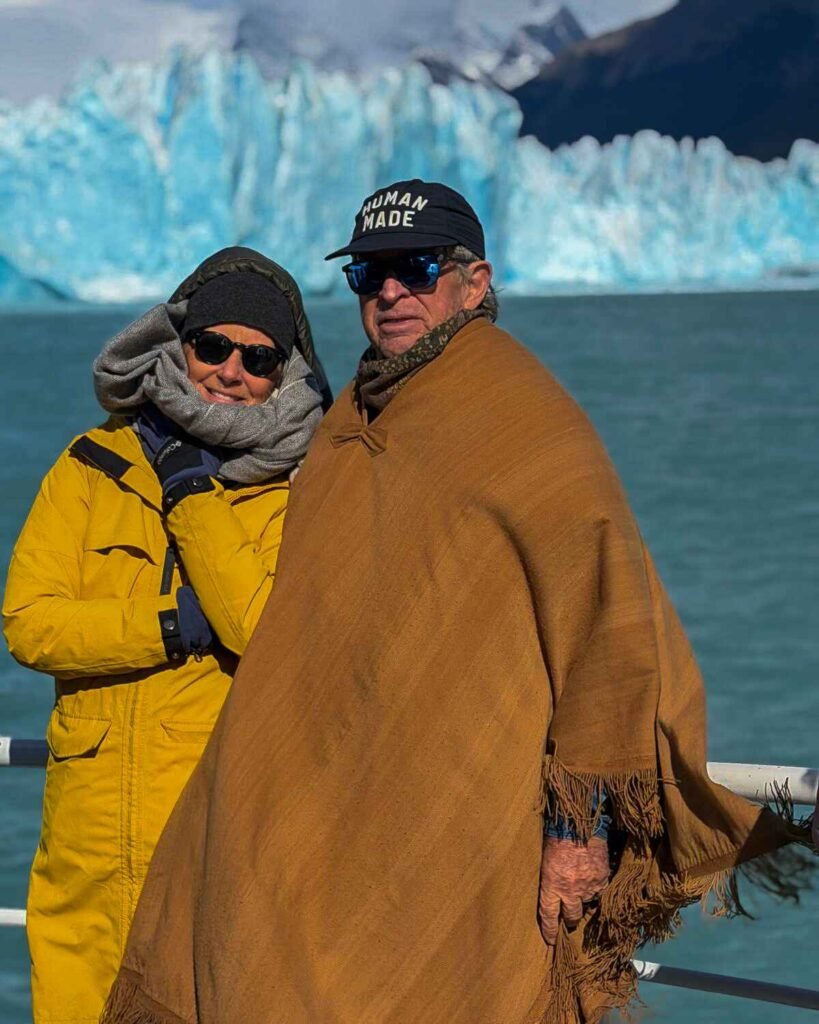
The southern end. No infrastructure, no noise. Just scale. One of the last places where the land still decides what happens next.
The city runs on conversation. Architecture from five different eras on a single block.
Malbec at altitude. The best producers here are experimenting with dry farming at 1,500m.
A Sunday market running since 1897. Food, antiques, tango in the aisles.
Three nights with a family running regenerative cattle on 4,000 hectares. Worth every hour of the drive.
The snowmelt from these mountains feeds the vineyards below. No snowpack, no wine.
Forest bathing, ancient cedar trees, and how Japanese builders have been working with wood for a thousand years without reading a manual about it.
Cedar trees over 2,000 years old. Some are still growing.
Wood joinery with no nails. Structures built to flex with earthquakes, not resist them.
Bamboo managed as a crop here for eight centuries. A different relationship with the material than in Bali.
A working food market at 5am. Fishermen who have been doing this job for 40 years.
Terraced rice paddies maintained by the same families for generations. Flooding and draining by hand, by season.
The snowmelt from these mountains feeds the vineyards below. No snowpack, no wine.
Wine country, open skies, and a conversation about what it takes to farm without chemicals in one of the world’s largest agricultural economies.
The southern end. No infrastructure, no noise. Just scale. One of the last places where the land still decides what happens next.
The city runs on conversation. Architecture from five different eras on a single block.
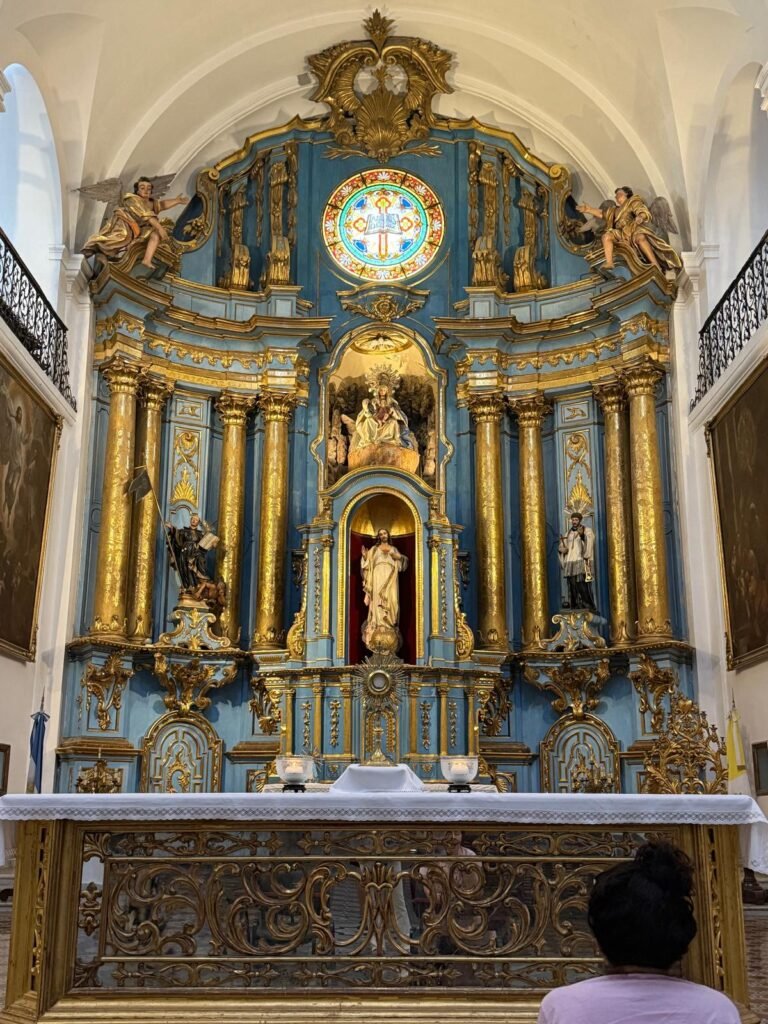
The oldest stories in the city live here. Layers of faith, gold, and silence…where time feels held in place beneath painted ceilings and worn stone floors.
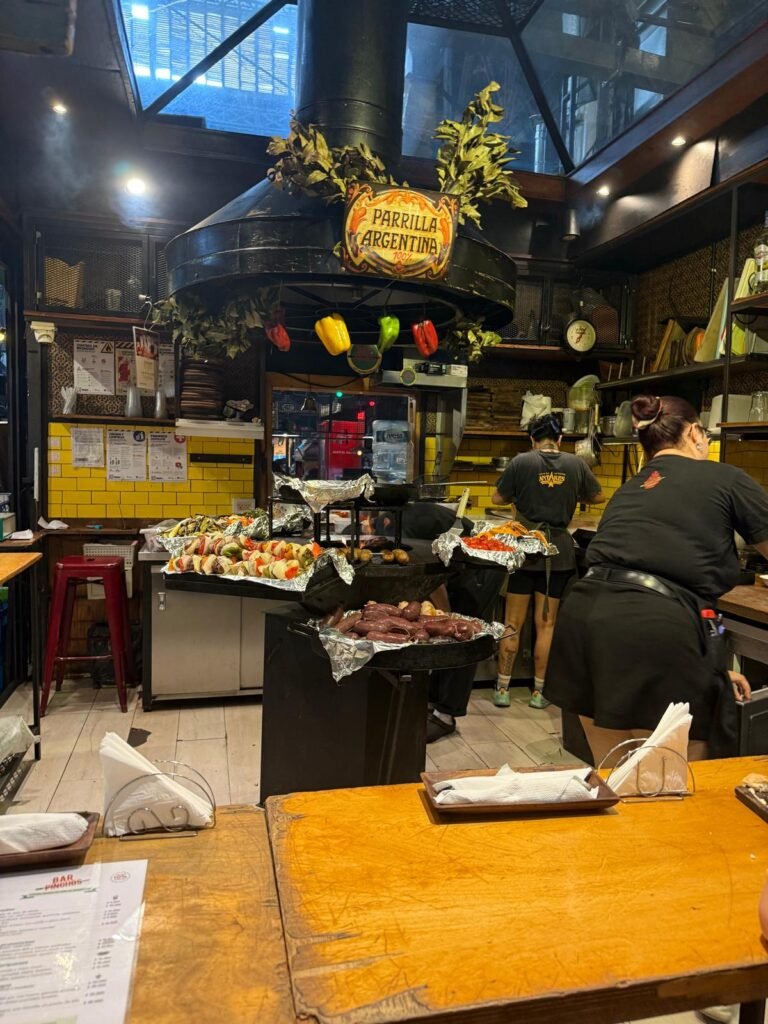
A living archive of the city reflected in familiar traces. Smoke, chatter, antiques, everyday moments. Each corner holds a fragment of Buenos Aires’ past and present.
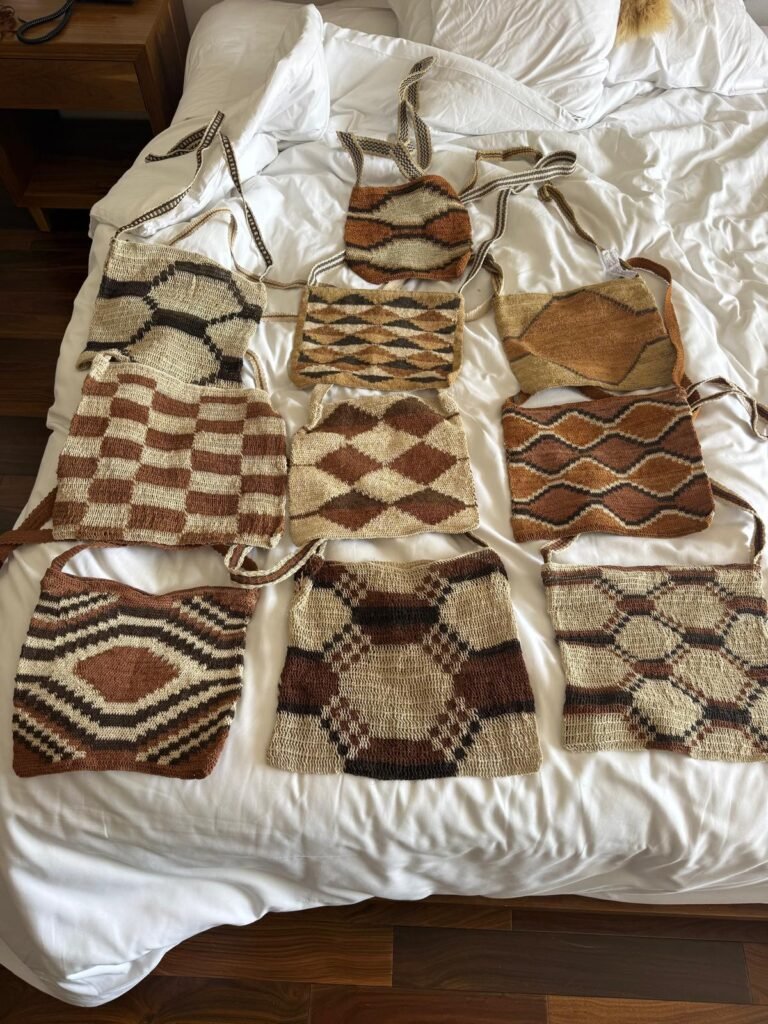
Patterns shaped by hand, memory, and land. Each weave carries the rhythm of a culture that still speaks through texture and time.
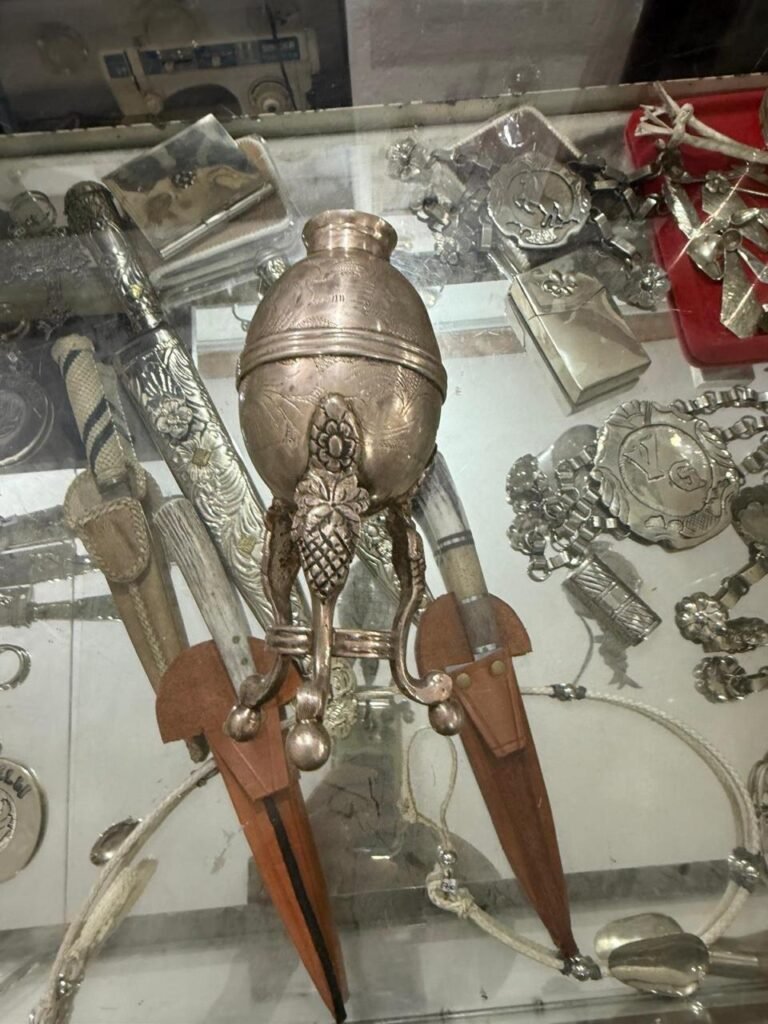
Metal shaped slowly, deliberately. Tradition held in every detail. Here, craftsmanship is not rushed, only refined.