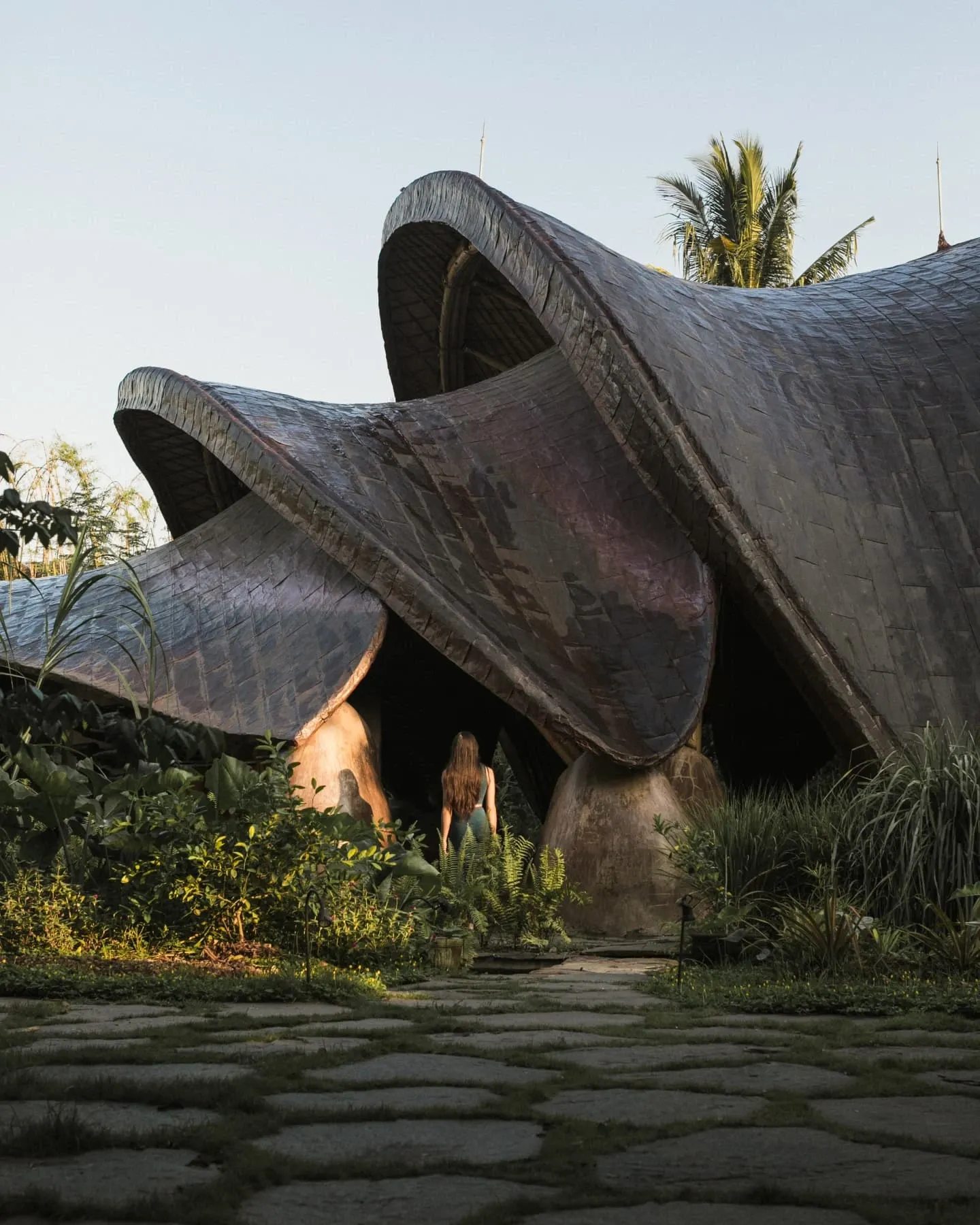
A meal at Tembaga, some good questions about gut health, and an experiment in eating well for a long time. We have been asking ourselves a fairly simple question at Tembaga, which is, “How do you eat well and live longer?” I have never been an advocate of diets that involve giving up all the things you enjoy. Food should still be something you look forward to.
So, we started thinking about longevity as an experiment. A chance to look at what we eat, where it comes from, how we cook it, and how we feel when we make those things part of everyday life. That became the Longevity Experiment at Tembaga. It is a menu, but the menu is really the starting point. Each dish gives you a way into a bigger conversation about food, the body, and what it might mean to eat well for a very long time.
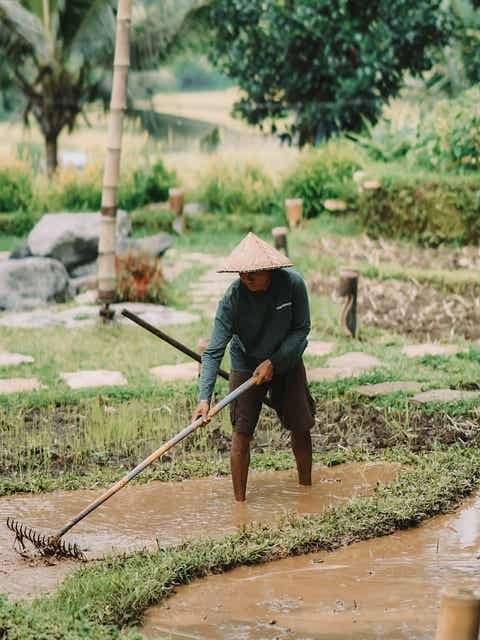
If you want to understand the experiment, you have to start with the farm.
At Tembaga, the rice paddies are working fields. The ducks help manage pests and fertilise the soil. Their eggs are collected nearby, and if you are there in the morning, you can pick one up yourself and take it to the kitchen. A few minutes later, it can become an omelette cooked over the fire with herbs from the garden.
The same thing happens with the passionfruit growing beside the car park. You can reach up, pick one, and take it to the bar. We cut it open, add fresh citrus and local spirits, and turn it into a margarita. You have seen it growing, picked it by hand, and then you drink it. It makes the idea of farm to table pretty literal.
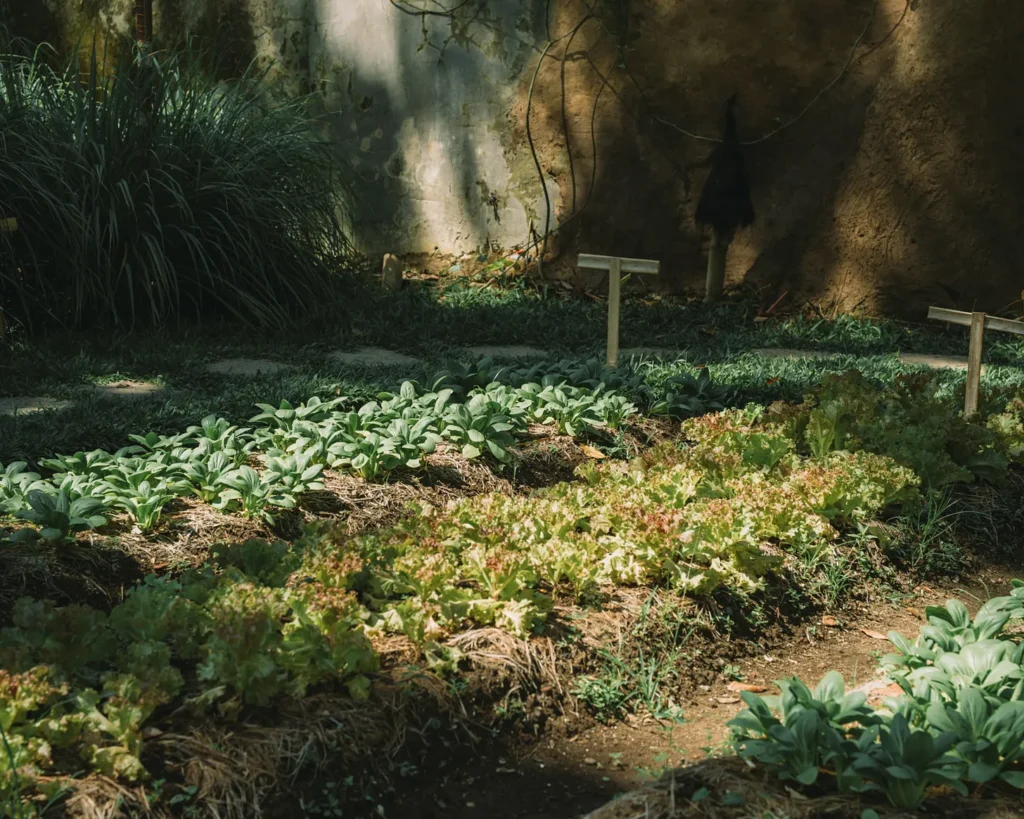
The Longevity Experiment follows that same path.
We use a lot of the things you would expect to find growing around a Balinese kitchen like turmeric, ginger, galangal, kemangi, moringa, bitter greens, and fresh herbs. We cook with fire, ferment, make broth, and use coconut. We cook vegetables slowly and make use of the whole plant wherever we can. And then we put these ideas on the menu.
One of the dishes is young jackfruit with lotus chips. The jackfruit is shredded and cooked with Balinese bumbu, with lotus root chips alongside it. It is a very simple dish, but it brings together a local plant, traditional seasoning, and a different way of thinking about what can make up a satisfying meal.
There is also our Indonesian sambal showcase, which is five different sambals served with steamed rice. You tell the kitchen how much heat you can handle and they take it from there. That one is probably the least like what people imagine when they hear the word “longevity”. It is also one of the most enjoyable.
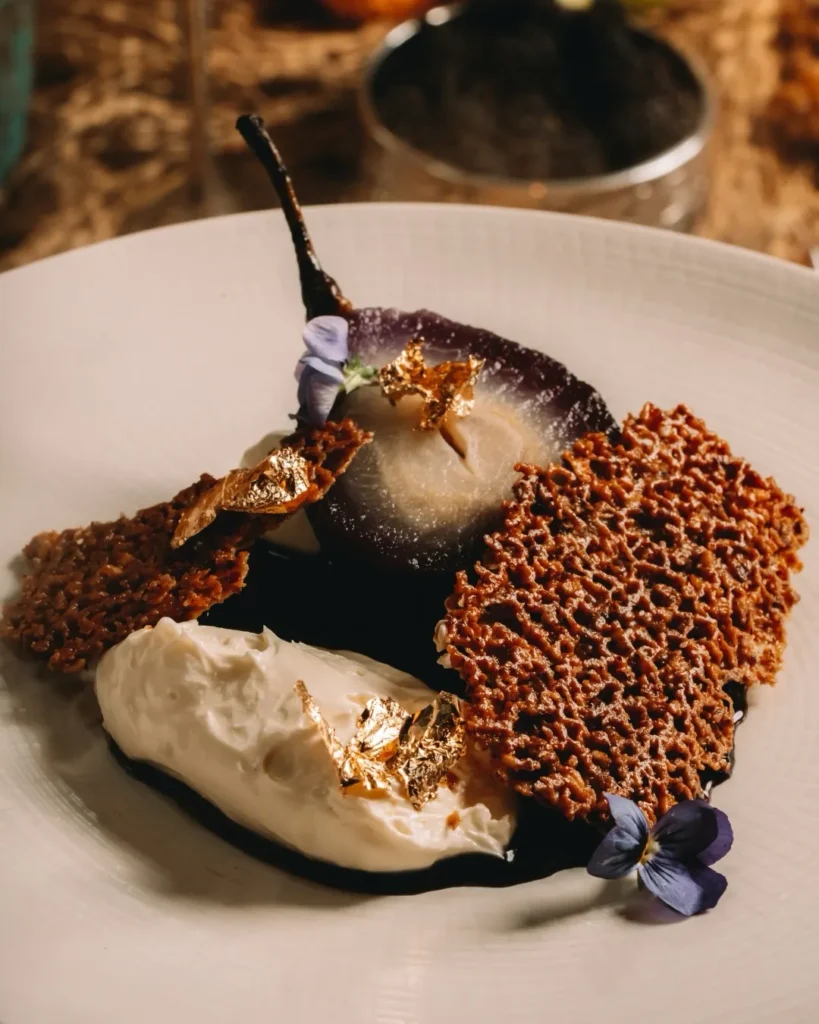
Then there is the fried enoki.
The mushrooms are cooked tempura-style in coconut oil and served with romesco. It is crispy, rich, and very much the sort of thing you want to eat when someone tells you that a longevity menu is going to be good for you. That is important to us. The experiment should still be fun.
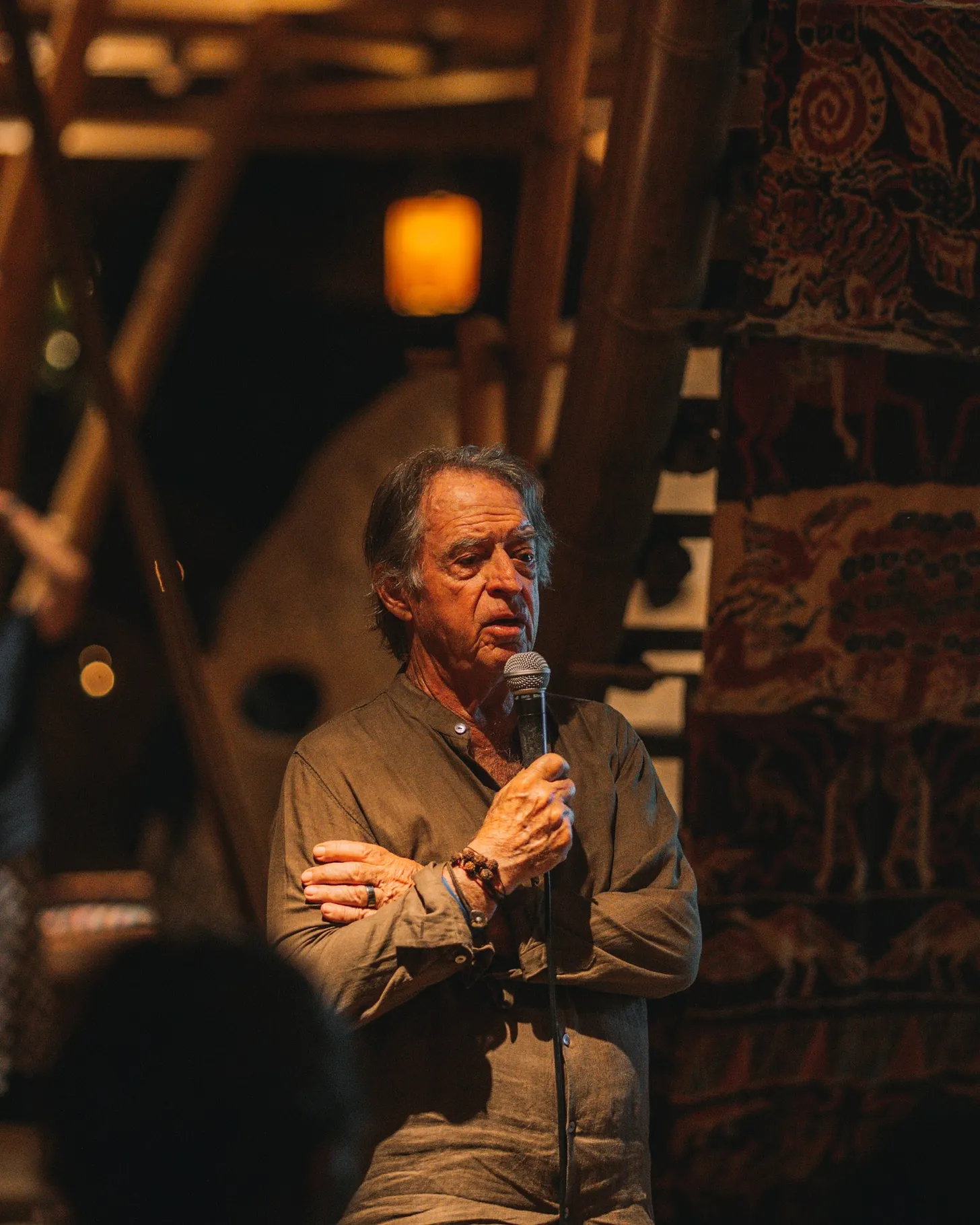
We are interested in the work of people like Dr Steven Gundry, who has spent decades looking at the relationship between food, gut health, inflammation and ageing. His work has influenced our ethos and the conversations around the menu. What particularly fascinates us is the accumulation of small choices.
More whole foods. More diversity. More plants. Ingredients that are grown well and cooked simply. Fermented foods. Fresh herbs. Less highly processed food. And, importantly, food that you actually want to eat.
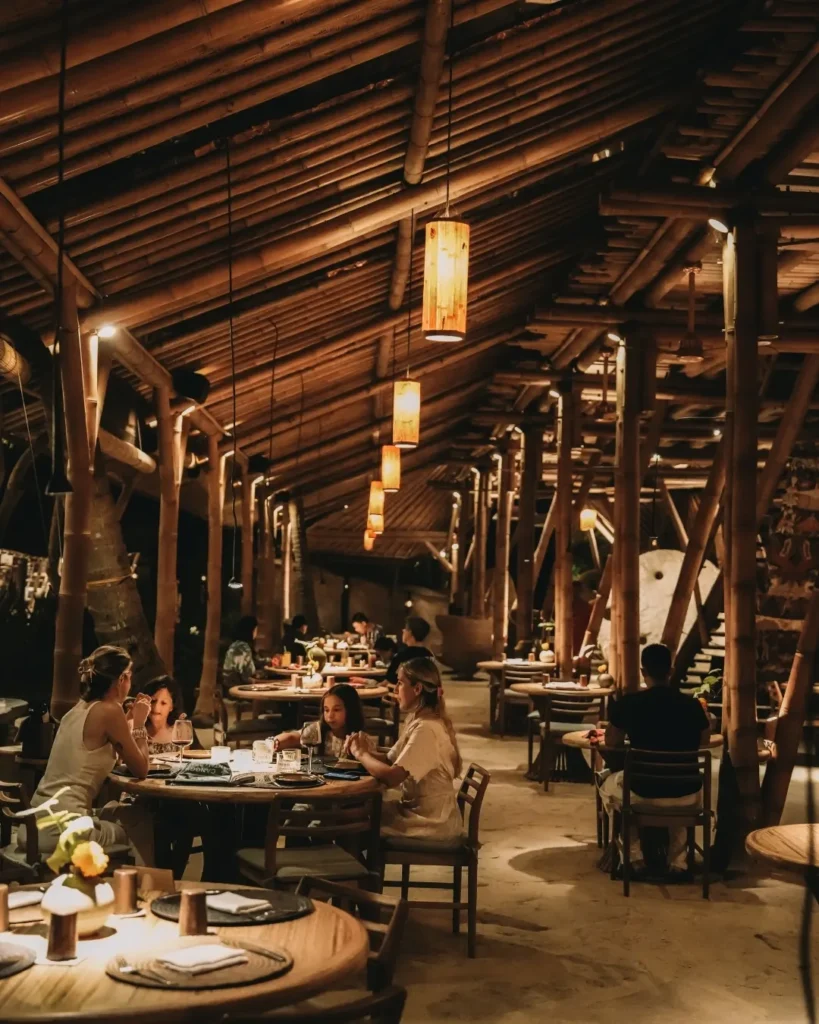
This is also why the permaculture farm and edible gardens matter so much to us.
Our goats help manage excess growth. The buffaloes are part of the rice-growing system. Chickens provide eggs and help with pests. Our pigs are part of a system that returns nutrients to the land. The soil feeds the plants, while the plants feed us. And the animals are part of that same cycle. When you start looking at food this way, longevity becomes a much bigger idea than what happens after you sit down at the table.
And perhaps even the way you think about food once you leave. You might start noticing how many different plants you eat in a week. You might start growing a few herbs. You might even become more interested in where your vegetables come from. Or you might simply order another sambal. That is fine too.
The point of an experiment is to see what happens.
We wanted Tembaga to be a place where you could come, eat very well, ask a few questions about how you want to live as you get older, and then go back for another plate. Because if we are going to spend our lives thinking about longevity, we think there should be some good food involved.