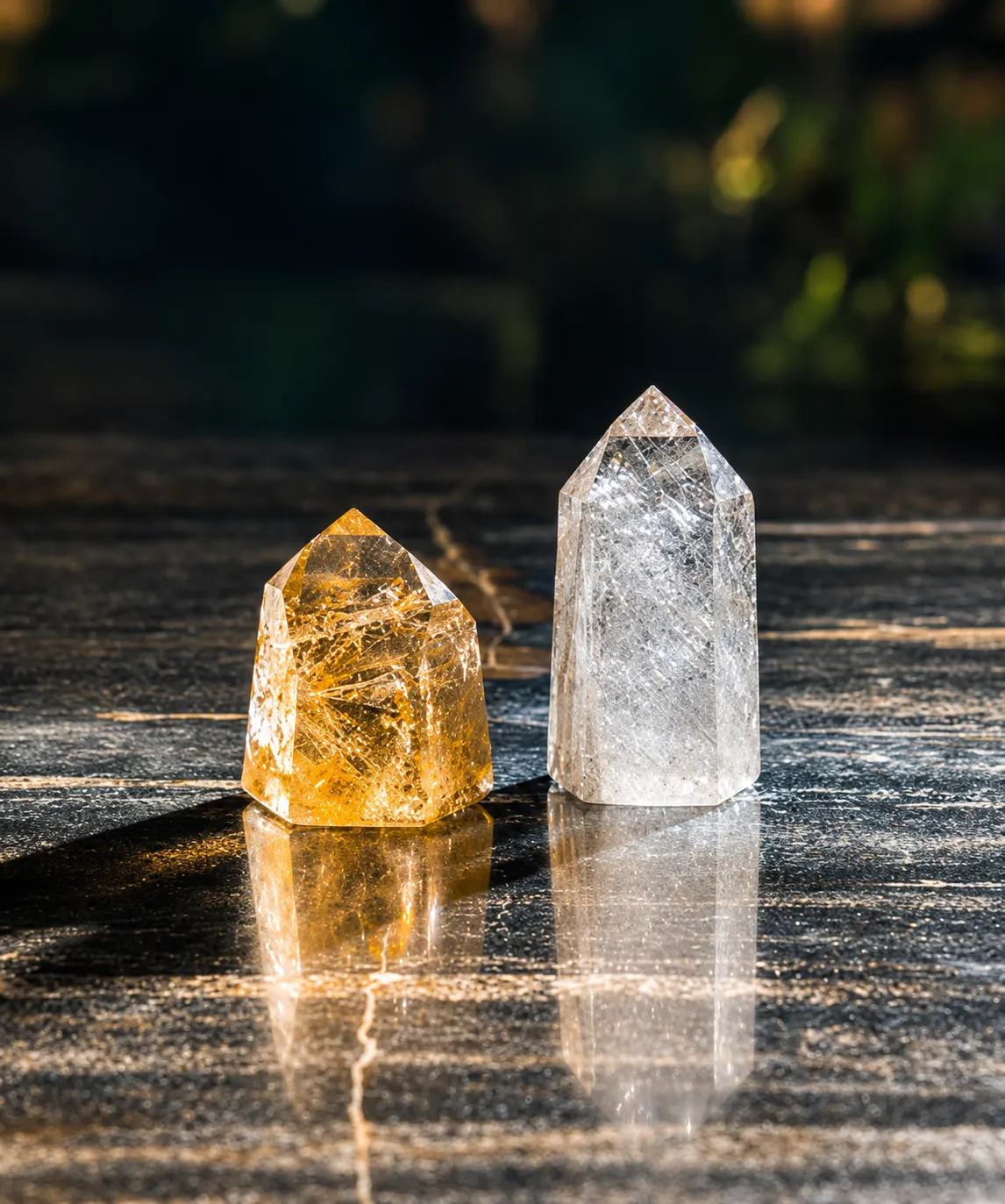
Crystals have always struck us as mysterious, beautiful, and a kind of poetry from the earth. Turn one over in your hand and there is usually more to see than you first noticed. Over the years, we have picked up crystals on our travels and brought home the ones that have caught our eye.
A closer look at rutilated quartz, and why we have been collecting crystals for decades.
There was never really a plan to build a collection. It happened gradually, and now we are sharing some of these treasures with Tangan Boutique at Bambu Indah. They are special stones we have looked at, lived with, and carried from one place to another, and it is nice to see them being discovered by other people.
One of the crystals in our collection is rutilated quartz.
At first glance, it looks like a piece of clear quartz with golden threads running through it. Look a little closer and you realise that those threads are not marks on the surface of the stone, but crystals themselves. Rutilated quartz is quartz containing inclusions of rutile, a mineral made primarily of titanium dioxide.
As the quartz formed, fine rutile crystals grew within it and became enclosed by the quartz around them. And that is one of the things we find so fascinating about crystals. The beautiful part about it is the geological process that created the stone in the first place.
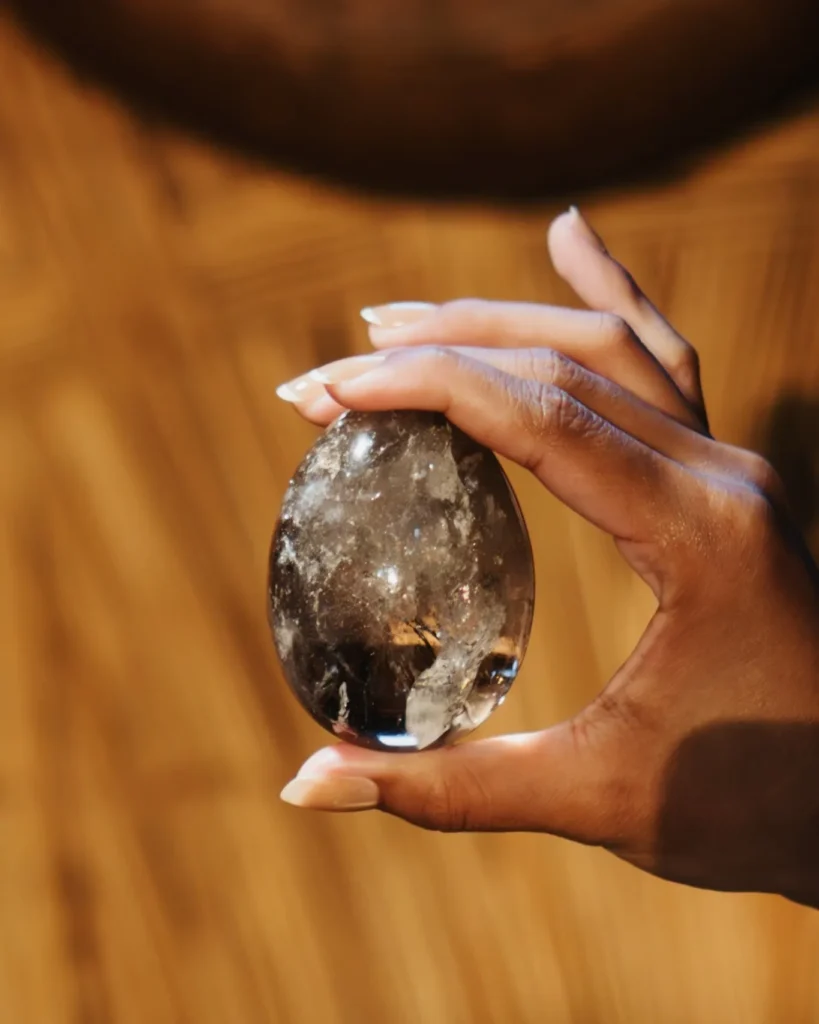
There is actually a whole world inside a crystal that you cannot see properly with the naked eye.
Geologists and gemologists study inclusions because they can tell us something about how a mineral formed. Tiny pieces of another mineral, pockets of fluid, or other material trapped inside a crystal can preserve clues about the conditions underground when the crystal was growing.
Rutile is particularly interesting because of the shapes it can create inside quartz. Most people recognise the golden variety, but rutile can also appear reddish, coppery, silvery or almost black. The needles can be sparse and delicate or packed together into dramatic patterns. No two pieces look quite the same, and that is part of the reason collectors become so attached to them.
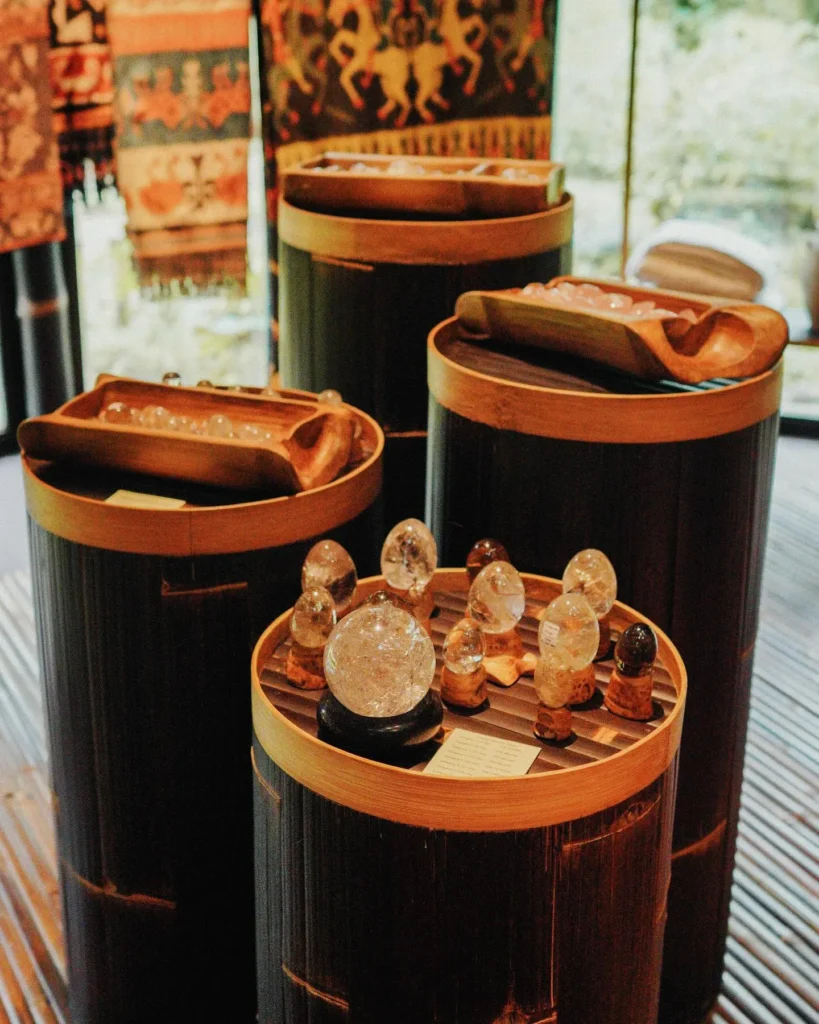
There is also a long history of people finding their own meanings in these patterns.
Rutilated quartz has sometimes been called “Venus hair” or “angel hair”, names inspired by the fine golden strands suspended inside the stone. In modern crystal practices, it is often associated with clarity, illumination, energy and intention. Those ideas belong to the world of crystal symbolism rather than geology, and we think it is interesting to keep the two things separate.
The science tells us what the crystal is and how it formed. The symbolism tells us something about the way people have chosen to look at it. This is why crystals have held people’s attention for so long. They sit somewhere between the measurable and the mysterious. We can explain the minerals, the chemistry and the geological processes, and still find ourselves staring at a piece of quartz because it is so beautiful.
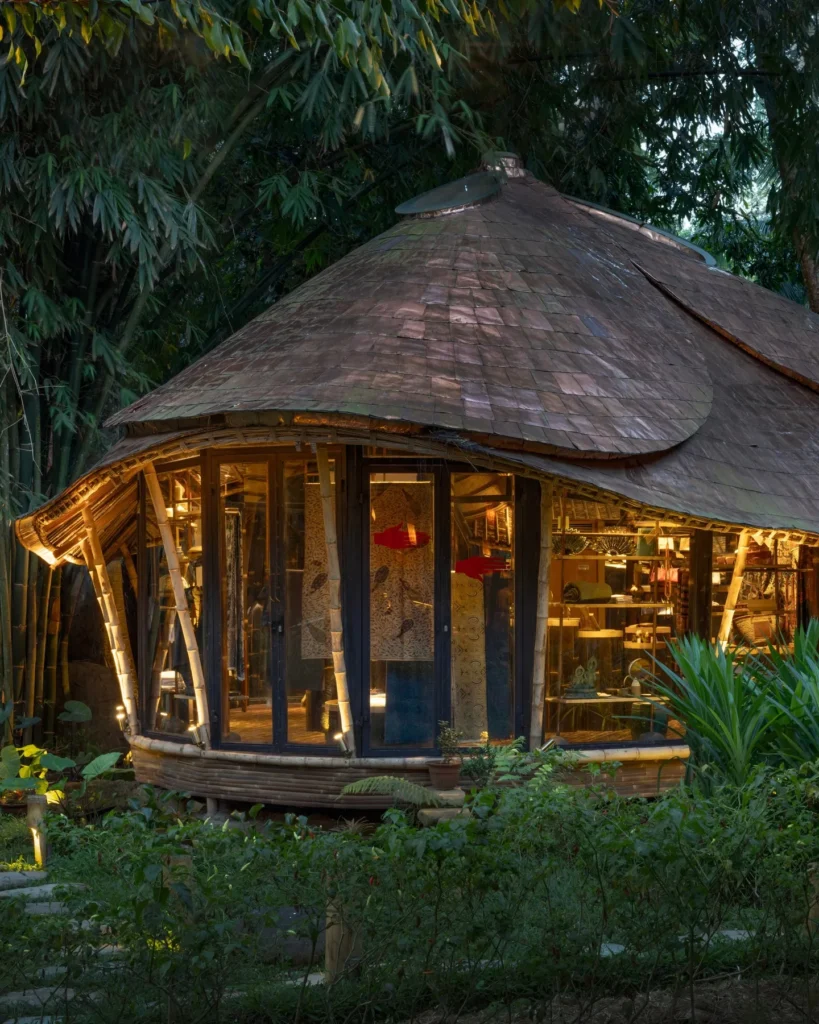
Tangan feels like a natural home for this part of our collection.
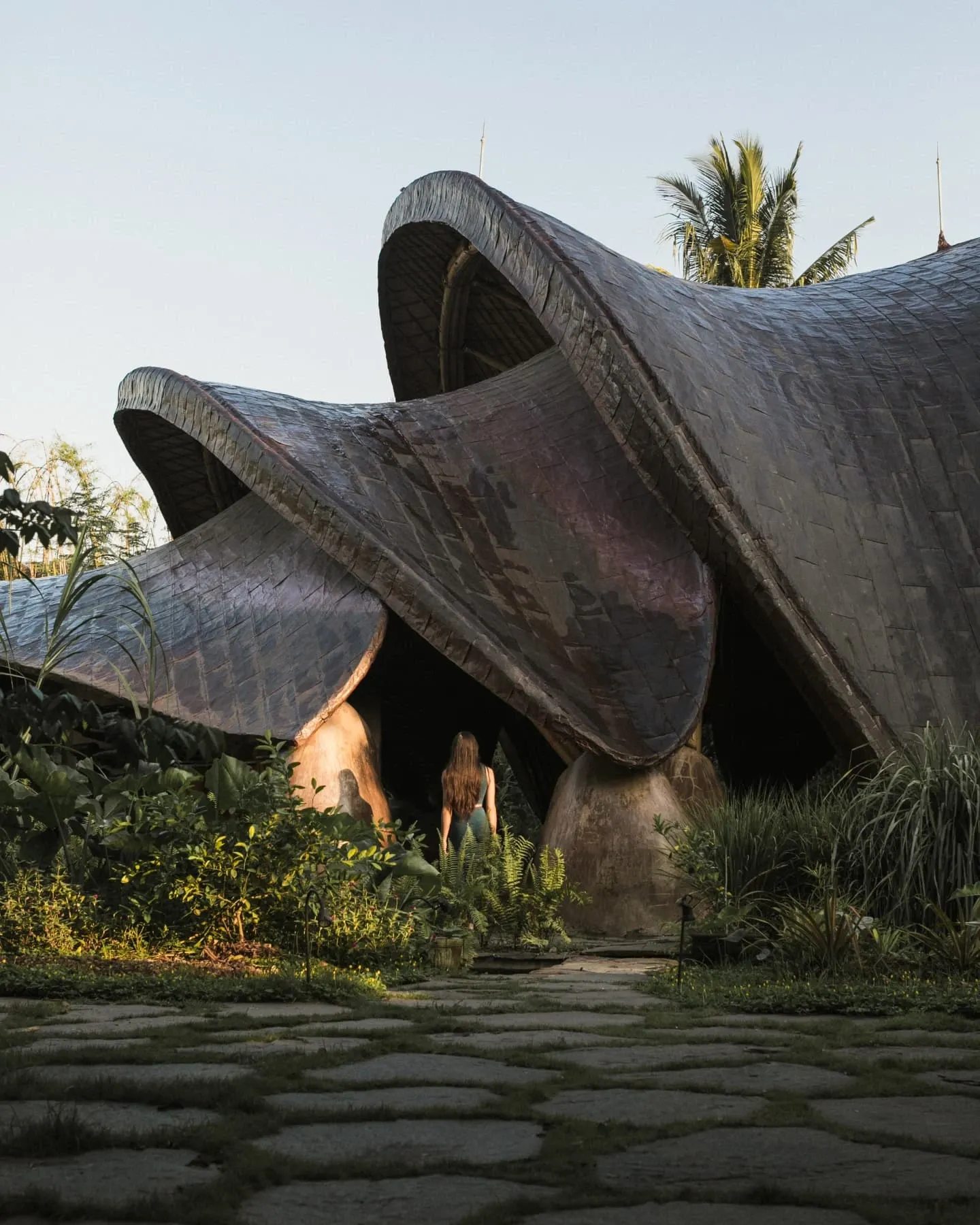
The pavilion itself was designed by IBUKU as a floating lotus-inspired structure of bamboo, glass and copper. Inside, the idea is much the same. Objects made or shaped by people, gathered together because of the skill, material, or story behind them. The crystals represent a maker, not in the conventional sense. There is no workshop, tools, or finished drawing. Just geology.
A crystal growing underground, sometimes over thousands or millions of years, with other minerals forming inside it as the conditions change. We can look at the finished object and admire the pattern, but the real story unfolded before it was part of a collection, a boutique, or someone’s home. If you enjoyed reading this, subscribe to Green by John. We’ll share what we’re exploring, reading, building and discovering as we go.